
Why Cold-Pressed Olive Oil Tastes Better, and What the Numbers on the Label Actually Mean

Pick up two bottles of olive oil at the grocery store and you'll probably see the same words on both: "extra virgin." But pour them side by side and taste them, and the difference can be startling. One might taste grassy and bright, with a clean peppery finish that lingers. The other might taste like nothing much at all.
That gap isn't marketing. It's chemistry. And once you understand what's actually happening inside the bottle, you'll never look at olive oil the same way.
What "Cold-Pressed" Actually Means
The term gets thrown around a lot, so let's be specific. Cold-pressing means the olives are mechanically crushed to extract the oil without applying external heat. No solvents, no refining, no shortcuts.
Temperature matters because heat destroys flavor compounds. The volatile aromatics that make a great olive oil smell herbaceous, almost floral, faintly of fresh-cut grass? Those are delicate. Push the temperature too high and they evaporate. What's left is flat, muted oil that technically meets the "extra virgin" requirements but delivers almost none of the flavor you're paying for.
But here's the part most producers don't talk about: timing matters just as much as temperature. Once an olive is picked, oxidation begins. The longer the gap between harvest and press, the more those aromatic compounds degrade. This is why we cold-press within hours of harvest. Not days. Hours.
Grandma Angelica used to say she could smell the difference between oil pressed the same day and oil pressed a week later. She was right.
Breaking Down the Numbers
When you flip a bottle of quality olive oil over, you might see two numbers that most shoppers skip past. They shouldn't. These tell you more about what's in the bottle than any word on the front label.
Acidity: The Freshness Indicator
Free acidity is expressed as a percentage of oleic acid and is one of the most reliable indicators of quality. Lower is better.
Here's how it breaks down:
- Extra virgin standard: must be below 0.8% to carry the designation
- Most supermarket oils: tend to cluster between 0.3% and 0.6%
- Our oil: 0.14% acidity, well below the threshold and among the lowest you'll find
That number comes from harvesting at peak ripeness, pressing immediately, and handling the oil carefully from grove to bottle. When olives are bruised, left to sit, or improperly stored, acidity climbs and flavor drops.
Polyphenols: Flavor and Function
Polyphenols are naturally occurring compounds responsible for that distinctive peppery bite at the back of your throat. If you've had a cough from tasting a really good olive oil, that's polyphenols at work.
Most mass-market oils test between 80 and 150 mg/kg, often lower when the oil has been sitting in a supply chain for months. Our oil tests at 349 mg/kg, verified by independent lab analysis.
Store your olive oil in a cool, dark cabinet. Not next to the stove, not in a clear bottle on the windowsill. Light, heat, and time all degrade polyphenol content.
Why the Olive Variety Matters
We use 100% Arbequina olives, grown on a single California estate. Arbequina is a Spanish variety that thrives in California's climate. The flavor profile is buttery and smooth up front, with notes of green apple and a gentle, warm pepper finish. It's approachable enough for drizzling over something delicate and complex enough that you'll actually taste it.
Single-varietal, single-estate sourcing also means traceability. We know exactly which orchard the olives came from and when they were picked. No blending from anonymous sources, no obscuring the origin.
How to Use It
Because our oil has low acidity and a clean, bright flavor, it works best as a finishing oil. Drizzle it over food after cooking, and you'll taste the full character that the Arbequina olive produces.
A few ideas:
- Drizzle over burrata with spring peas and mint
- Finish asparagus and poached eggs with a generous pour before serving
- Make a simple lemon-herb vinaigrette with nothing more than citrus, Dijon, and flake salt
- Dip good bread into it with salt and cracked pepper. Genuinely the best way to taste what makes a bottle different.
Our batches are small and we only press once a year. When the harvest is gone, it's gone until next season. If you want to taste what 0.14% acidity and 349 polyphenols actually feel like, you can reserve a bottle at angelicasevoo.com, with free shipping anywhere in the US.
Salud!
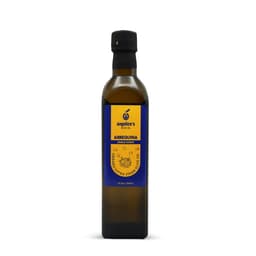
Taste the Difference
Angelica's Organic Extra Virgin Olive Oil
100% Arbequina olives, cold-pressed in California. Small-batch, limited quantity.
Get Your BottleYou Might Also Enjoy

Why Winter is the Best Time to Taste the Difference in Real Olive Oil
Why Winter is the Best Time to Taste the Difference in Real Olive Oil The days are shorter, the nights are longer, and the air carries a certain crispness...

Winter Warmers: Hearty Recipes Starring Angelica's Olive Oil.
Here's a sample blog post: Winter Warmers: Hearty Recipes Starring Angelica's Olive Oil Winter. The season of cozy blankets, crackling fireplaces, and bowls...

Baking Brilliance: Olive Oil Cakes & More
Here's a blog post draft for Angelica's Organic Olive Oil: * Beyond the Salad Bowl: 5 Surprising Ways to Use Extra Virgin Olive Oil As the days grow shorter...