
Why Winter is the Best Time to Taste the Difference in Real Olive Oil

Why Olive Oil Tastes Better in the Winter
Here's something most people don't think about: the season you're eating in changes how food tastes. In the summer, your palate is overwhelmed. Grilled meat, ripe tomatoes, sweet corn, cold beer. Everything's competing. But in winter, the flavors quiet down. You eat simpler things. Soups, bread, roasted vegetables. And that's exactly when a good olive oil stands out.
The grassy notes, the peppery finish, the fruitiness that gets buried under summer flavors? In winter, with a simple bowl of soup or a piece of warm bread, those things become impossible to miss.
Your Palate is Paying Attention
There's actual science behind this. When you eat simpler, less cluttered meals, your taste buds can pick up subtleties they'd otherwise miss. Think about dipping bread into olive oil on a cold evening versus drizzling it over a grilled steak with six other things on the plate. The bread and oil moment is where you actually taste what's in the bottle.
Grandma Angelica always said winter was when olive oil showed you what it was really made of. She was right.
What to Look For When You Taste
If you want to really evaluate an olive oil, winter is the time to do it. Here's what to pay attention to:
- Aroma: Fresh oil smells green, grassy, maybe a little herby. If it smells like nothing, or musty, or like old crayons, something went wrong.
- Taste: You want complexity. Fruity notes up front, maybe a touch of bitterness, and a peppery kick at the back of your throat. That pepper is polyphenols, and it's a sign of quality.
- Texture: Smooth and silky, not greasy or thin.
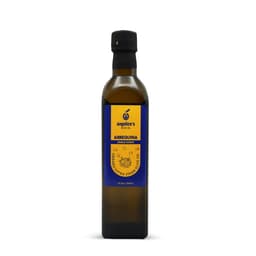
Our oil is made from 100% Arbequina olives, grown in California and cold-pressed within hours of harvest. It has an acidity of 0.14% and a polyphenol count of 349 mg/kg. You don't need to memorize those numbers, but they're why it tastes the way it does.
Where Your Oil Comes From Matters
A lot of olive oil at the grocery store is blended from multiple countries, multiple harvests, sometimes multiple years. You have no idea what's actually in the bottle or how old it is. Our oil comes from one grove, one variety of olive, pressed once a year. If you want to know where your food comes from, that matters.
Look for a harvest date on the label. If the bottle only has a "best by" date, that's a red flag. Olive oil isn't wine. Older isn't better.
Put It to Work
Winter cooking is where good olive oil really earns its place. A few ideas:
- Roast root vegetables tossed in olive oil, salt, and herbs. The oil helps them caramelize and brings out their natural sweetness.
- Finish soups with a generous drizzle right before serving. Butternut squash, lentil, or plain tomato soup all benefit.
- Bake with it. Olive oil cake is a real thing and it's incredible. The oil keeps the crumb moist for days.
We make small batches, limited quantity each harvest. When this season's oil is gone, it's gone until next year. If you've been meaning to try it, winter is the best time.
Salud!
Taste the Difference
Angelica's Organic Extra Virgin Olive Oil
100% Arbequina olives, cold-pressed in California. Small-batch, limited quantity.
Get Your BottleYou Might Also Enjoy

Why Cold-Pressed Olive Oil Tastes Better, and What the Numbers on the Label Actually Mean
Why Cold-Pressed Olive Oil Tastes Better — and What the Numbers on the Label Actually Mean Pick up two bottles of olive oil at the grocery store and you'll...

Winter Warmers: Hearty Recipes Starring Angelica's Olive Oil.
Here's a sample blog post: Winter Warmers: Hearty Recipes Starring Angelica's Olive Oil Winter. The season of cozy blankets, crackling fireplaces, and bowls...

Baking Brilliance: Olive Oil Cakes & More
Here's a blog post draft for Angelica's Organic Olive Oil: * Beyond the Salad Bowl: 5 Surprising Ways to Use Extra Virgin Olive Oil As the days grow shorter...