
The 2026 Longevity Research on EVOO: What New Clinical Studies Actually Found

The 2026 Longevity Research on EVOO: What New Clinical Studies Actually Found
A multicenter trial published earlier this year tracked 4,800 adults over three years and found a 14–22% reduction in all-cause mortality among those consuming 20–30ml of high-quality extra virgin olive oil daily. That's roughly two tablespoons. Not a supplement, not a drug — a daily cooking fat, used consistently, at doses most home cooks reach without tracking anything.
The finding isn't isolated. It builds on a decade of PREDIMED research and several 2025–2026 cohort analyses now being cited across clinical nutrition. What they collectively show is this: the effect is real, it's reproducible, and it's compound-specific — meaning not all olive oil delivers it equally.
What the New Research Actually Measured
The Barcelona multicenter trial, the largest of the recent cohort studies, separated participants by daily olive oil intake and tracked cardiovascular events, inflammatory markers, and all-cause mortality. The separation in outcomes between the high-EVOO group and the control group (standard Western fat intake) was statistically significant by month 18 and widened through year three.
Key biomarkers tracked across studies included:
- C-reactive protein (CRP) — a systemic inflammation marker tied to chronic disease risk
- Interleukin-6 (IL-6) — a pro-inflammatory cytokine associated with accelerated cellular aging
- LDL oxidation rates — how quickly "bad" cholesterol becomes arterially harmful
- Telomere length — an increasingly used proxy for biological aging in longitudinal nutrition studies
High-polyphenol EVOO consumption was associated with statistically significant improvements across all four markers. Low-polyphenol oil — refined "olive oil" or oxidized EVOO — showed no comparable benefit in the same participant cohort.
That last detail matters enormously.
The Compounds Doing the Heavy Lifting
The headline polyphenol in EVOO's anti-inflammatory profile is oleocanthal — the compound responsible for that peppery, throat-catching sensation in a high-quality pour. Oleocanthal inhibits the same enzymatic pathways as ibuprofen, and recent research confirms it crosses the blood-brain barrier, where it may assist in clearing amyloid-beta plaques associated with cognitive decline.
But oleocanthal doesn't work alone. The longevity studies point to a cluster of bioactive compounds working in concert:
- Hydroxytyrosol — among the most potent antioxidants found in any whole food; the EU authorizes a specific health claim at concentrations ≥5mg per 20g serving
- Tyrosol — a secondary phenol with documented cardiovascular protective effects in multiple RCTs
- Squalene — a natural compound in EVOO that may support cellular membrane integrity
- Oleic acid (omega-9) — the dominant monounsaturated fat, which improves HDL-to-LDL ratios at consistent dietary doses
These compounds aren't present in equal measure in all oils. Their concentration is a direct function of varietal, harvest timing, milling method, and — critically — how the oil was stored and how old it is when you open it.
Why Oil Quality Determines Whether You Get the Effect
Here's where the research gets practical, and where most summaries of the longevity data go wrong.
The clinical trials that recorded significant outcomes used what researchers classify as "high-polyphenol EVOO" — oils with concentrations at or above the EU's 250 mg/kg health-claim threshold. Standard supermarket EVOO typically tests between 50–150 mg/kg by the time it reaches a consumer's shelf, after harvesting, processing, shipping, and often months of warehouse and retail storage.
Industry data: The IOC estimates that up to 70% of bottles labeled "extra virgin" in major retail markets fail the chemistry tests the label legally requires. A low polyphenol count is frequently the culprit — the oil oxidized before it was sold.
A cold-pressed California Arbequina milled within 24 hours of harvest and properly stored is a fundamentally different product than EVOO that has spent months in transit. Our November 2025 harvest tested at 349 mg/kg polyphenols — well above the EU threshold — with an acidity of 0.14%, compared to the 0.8% legal ceiling for extra virgin classification. Those numbers track directly to the compound profile the longevity research was studying.
Freshness matters more than origin. A beautiful Spanish or Italian EVOO that spent eight months in transit and two more on a distributor's shelf is nutritionally a different oil than a California-pressed bottle with a verified harvest date and published lab data. The harvest date is the number to look for first.
What the Research Dose Actually Looks Like in a Real Kitchen
The 20–30ml daily dose from the longevity studies is more approachable than it sounds:
- A finishing drizzle over a bowl of lentil soup, a plate of roasted vegetables, or grilled fish covers roughly 10–15ml on its own
- A full salad dressing — emulsified with lemon and a small amount of Dijon — uses about 20ml in a portion for two
- Dipping bread before dinner (a tablespoon-wide pool in a small dish) is 10–12ml per person
None of that requires measuring. It requires buying an oil you actually want to use freely — one that tastes good enough to reach for regularly, rather than one you're treating as a special-occasion pour.
The finishing-oil habit matters here for a specific reason. Heating EVOO isn't catastrophically damaging — its smoke point runs around 375–405°F, well above most home sautéing. But polyphenols degrade under sustained high heat. The longevity studies credited finishing and raw applications as the primary delivery mechanism: drizzled over warm food at the table, stirred into soups at service, poured over salads just before eating. The full compound profile arrives intact when the oil goes on last.
Four Things to Verify Before You Buy
If you want an oil that matches what the clinical studies were actually testing, these are the four markers worth checking on any label:
- Polyphenol count in mg/kg — look for ≥250 mg/kg; premium oils land at 300 or above
- Harvest date — not a "best by" date, the actual press date. Aim to use within 18 months of harvest
- Acidity below 0.8% — the legal EVOO ceiling; anything below 0.2% indicates exceptional freshness
- Named varietal and single origin — not "blend of EU olive oils," but a specific variety from a specific place
Most bottles won't show all four. The ones that do are telling you something: the producer is confident enough in their oil to put the numbers on the label and stand behind them.
The science on EVOO and longevity is more robust than almost any other dietary fat studied. What the 2026 cohorts add is precision — they tell us the dose, the compound markers, and the quality threshold that make the difference. Two tablespoons a day of a genuinely high-polyphenol oil is a habit worth building. The research makes a strong case for doing it carefully.
Salud!
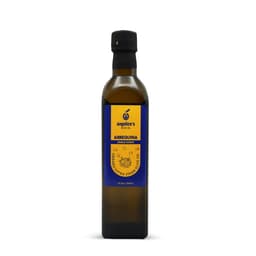
Taste the Difference
Angelica's Organic Extra Virgin Olive Oil
100% Arbequina olives, cold-pressed in California. Small-batch, limited quantity.
Get Your BottleYou Might Also Enjoy

Baking with Olive Oil: How to Substitute Arbequina EVOO for Butter (With Real Ratios and Results)
# Baking with Olive Oil: How to Substitute Arbequina EVOO for Butter (With Real Ratios and Results) Oil-based cakes stay moist three to four days longer than butter-based ones. That's not a marketing

Why California EVOO Is More Trustworthy Than Most Imported Bottles (And What the Fraud Data Shows)
# Why California EVOO Is More Trustworthy Than Most Imported Bottles (And What the Fraud Data Shows) Forty-three percent. That's the share of extra virgin olive oils tested by the UC Davis Olive Cent
