
Why Cold-Pressing Matters: How Harvest-to-Press Timing Determines the Quality of Your Olive Oil

Why Cold-Pressing Matters: How Harvest-to-Press Timing Determines the Quality of Your Olive Oil
There's a moment right after olives are picked — a narrow, fleeting window — when everything that makes great olive oil great is still perfectly intact. The polyphenols are at their peak. The natural acidity is at its lowest. The fragrance is bright and grassy, almost electric. What happens in the hours that follow either preserves all of that or quietly destroys it. And most people never know the difference until they taste it.
This is the part of olive oil production that rarely makes it onto a label.
The Clock Starts at the Tree
Olives are fruit. And like all fruit, they begin to oxidize and ferment the moment they leave the branch. That process isn't dramatic — you won't see it happening — but it's relentless. Enzymes activate. Free fatty acids start to form. The chemical compounds responsible for that peppery finish, that golden-green color, and those clean, fresh flavors begin to break down.
The longer olives sit before pressing, the more acidity climbs. And acidity, in olive oil, is the single clearest indicator of quality. Extra virgin olive oil must fall below 0.8% acidity to earn that classification — but most oils hover somewhere between 0.3% and 0.6%. That range is technically compliant. It's also technically where quality starts to slip.
Our oil comes in at 0.14% acidity. That number only happens when olives go from tree to press within hours.
What "Cold-Pressed" Actually Means
The term gets used loosely these days, so it's worth being specific.
Cold-pressing means the olives are mechanically pressed without applying heat to increase yield. Heat extracts more oil from each batch — which is great for profit margins, and genuinely bad for flavor and nutritional value. Heat degrades polyphenols. It flattens the bright, slightly fruity top notes that make a good extra virgin olive oil worth drizzling straight onto a piece of bread.
True cold-pressing, combined with same-day processing, is what keeps polyphenol content high. Our oil is lab-tested at 349 mg/kg of polyphenols — not a marketing estimate, an actual number from an actual test. For context, many supermarket olive oils contain polyphenol levels in the double digits.
A note on polyphenols: These are naturally occurring compounds found in many plant foods. Research has associated high-polyphenol diets with a range of health markers, and they're also responsible for that characteristic peppery bite at the back of the throat — the thing that makes you cough just a little, which is actually a sign you're tasting something real.
Why Timing Is Everything (and Why Most Producers Skip It)
Here's the honest truth about the olive oil industry: speed is expensive.
Pressing olives within hours of harvest requires either owning your own mill or having a tight, trusted relationship with one close to your grove. It means smaller batches. It means you can't stockpile olives waiting for a bigger, more efficient run. For large-scale producers, that model simply doesn't work.
So most olives wait. Sometimes for days. They're piled in bins, temperatures rise, fermentation begins. The oil that comes out is still technically extra virgin — it may still pass the acidity threshold. But the flavor complexity is gone. That fresh-cut grass and ripe stone fruit quality that Grandma Angelica used to describe as "the oil still remembering the tree" — that's gone.
She wasn't being poetic for the sake of it. She was describing something real. Fresh oil has a vitality to it, a brightness on the palate that you can actually taste.
How to Put This Knowledge to Work in Your Kitchen
Understanding harvest-to-press timing changes how you shop — and how you cook.
When you're buying olive oil, look for:
- A harvest date, not just a "best by" date. The harvest date tells you when the oil was made. Best by dates tell you very little about freshness.
- Acidity levels printed on the label or available on the producer's website. If a brand doesn't publish their acidity, ask yourself why.
- Polyphenol data, ideally from third-party lab testing rather than vague claims.
- Single-origin or single-varietal sourcing, which makes quality control far easier to maintain.
When you're cooking with fresh, high-quality EVOO:
- Use it raw or minimally heated to preserve flavor and polyphenol content — finishing drizzles, dressings, dipping.
- For finishing a pasta dish or a simple spring salad, add your oil at the very end, off the heat.
- Store it away from light and heat. A dark cabinet, not the counter next to the stove.
Pro tip: If your olive oil has no smell, or smells vaguely like crayons or old walnuts, it's rancid or was already low quality to begin with. Fresh EVOO should smell grassy, faintly fruity, and clean — like something alive.
Why We Do It This Way
We produce a small batch every harvest. When they're gone, they're gone — that's just the reality of doing this the right way. Our 100% Arbequina olives from California are cold-pressed within hours, which is why the numbers look the way they do: 0.14% acidity, 349 polyphenols per kg, certified USDA Organic.
Grandma Angelica used to say that olive oil was the soul of a meal. We think she meant that the quality of your oil quietly determines the quality of everything you make with it. Not in a dramatic way. Just in the way that good ingredients always matter — steadily, invisibly, in every single bite.
If you've never tasted oil this fresh, that's exactly the reason to try it. You can Reserve a Bottle at angelicasevoo.com — and we ship free across the US.
Salud!
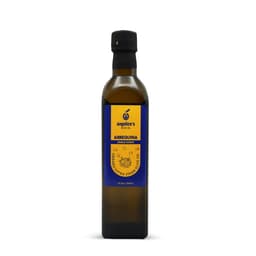
Taste the Difference
Angelica's Organic Extra Virgin Olive Oil
100% Arbequina olives, cold-pressed in California. Small-batch, limited quantity.
Get Your BottleYou Might Also Enjoy

Why Cold-Pressed Olive Oil Tastes Better, and What the Numbers on the Label Actually Mean
Why Cold-Pressed Olive Oil Tastes Better — and What the Numbers on the Label Actually Mean Pick up two bottles of olive oil at the grocery store and you'll...

Why Winter is the Best Time to Taste the Difference in Real Olive Oil
Why Winter is the Best Time to Taste the Difference in Real Olive Oil The days are shorter, the nights are longer, and the air carries a certain crispness...

Winter Warmers: Hearty Recipes Starring Angelica's Olive Oil.
Here's a sample blog post: Winter Warmers: Hearty Recipes Starring Angelica's Olive Oil Winter. The season of cozy blankets, crackling fireplaces, and bowls...